
Willi’s Political World
Berlin AlexanderplatzFranz’s contact with Willi and radical meetings reveals the appeal and limitations of political slogans before Franz withdraws from politics and returns to immediate survival.
increasing Bearing strength in each event
 decreasing
Bearing strength in each eventdecreasingThe Lure of the Meeting
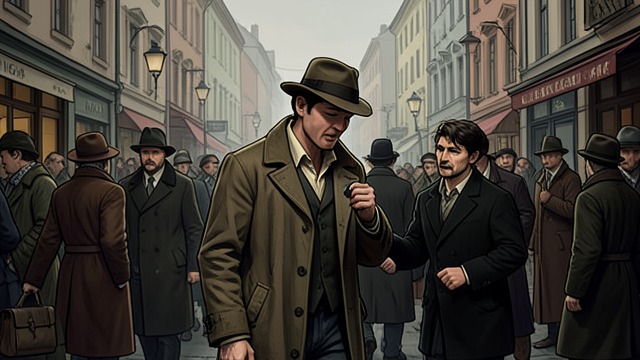
The Lure of the Meeting
Franz begins accompanying Willi, a young pickpocket who attends political meetings and enjoys heckling speakers. Willi’s confidence and contempt for conventional work attract Franz, who is searching for an explanation of the forces that have damaged his life.
A New Vocabulary
At meetings Franz hears arguments against parliament, wage labor, and the state, along with calls for direct action. He buys pamphlets and listens, even though politics has never made him comfortable.
The meetings provide a temporary structure for his restless curiosity. They also bring him into contact with ideas that challenge his former belief that law and order are neutral protections for ordinary people.
The Anarchist’s Challenge
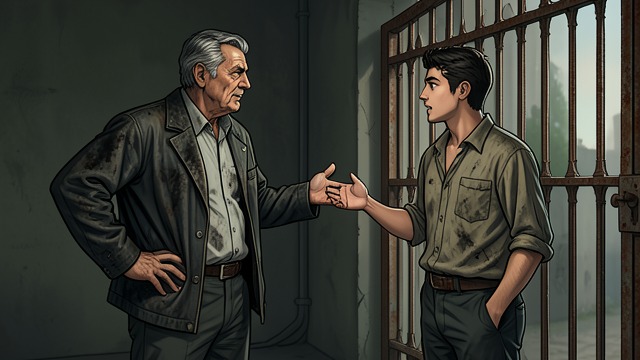
The Anarchist’s Challenge
An older worker challenges Willi’s habit of ridiculing political opponents while doing little himself. He argues that workers need organized struggle and solidarity, rather than merely denouncing institutions from the sidelines.
Franz’s “Improper Work”
When asked what work he does, Franz answers that he lets other people work for him. He argues that wage labor is a form of slavery and that he has no obligation to strengthen employers through his labor.
The exchange exposes the gulf between political theory and Franz’s own position. The worker sees solidarity as necessary, while Franz turns the language of exploitation into a defense of individual survival and criminal income.
The Joiner’s Plain Account
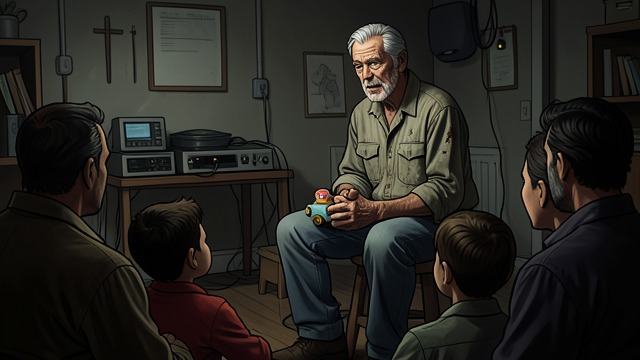
The Joiner’s Plain Account
Franz listens to an older joiner describe low wages, unemployment, a sick wife, and children whose needs cannot be met. The joiner does not claim expertise in Marxism, but he can recognize inequality in the daily experiences of work, illness, and poverty.
Politics Against Daily Life
A landlord answers that rich and poor have always existed and that neither man can change the arrangement. The joiner replies that he is tired of being poor and does not want poverty to be treated as inevitable.
Franz finds the account more persuasive than abstract argument. He leaves without returning to the meeting, recognizing that the political talk has not given him a practical way to live or helped him confront the immediate pressures around him.
Leaving the Movement
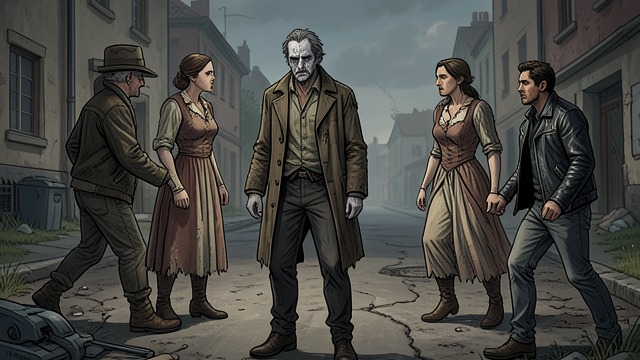
Leaving the Movement
Franz tells Willi that he wants to go home early and no longer needs political meetings. He has listened to the joiner describe concrete hardship and feels that the talk has become an unproductive diversion from the life he actually leads.
A Personal, Not Collective, Exit
Eva and Herbert have also warned him that Willi exploits him and that Mieze is left waiting while Franz goes out. Their concern does not make Franz a committed political thinker; it adds pressure to end an association that is already losing its appeal.
Franz’s withdrawal marks a return to the personal sphere rather than a conversion to the joiner’s collective politics. He seeks peace and companionship, leaving unresolved the social problems that first drew him toward the meetings.
After Franz’s injury and return to street life
During a discussion after a political meeting
Later in the summer, after Franz tires of meetings
After the conversation with the joiner
